
On Depression
And its dear friend, Anxiety

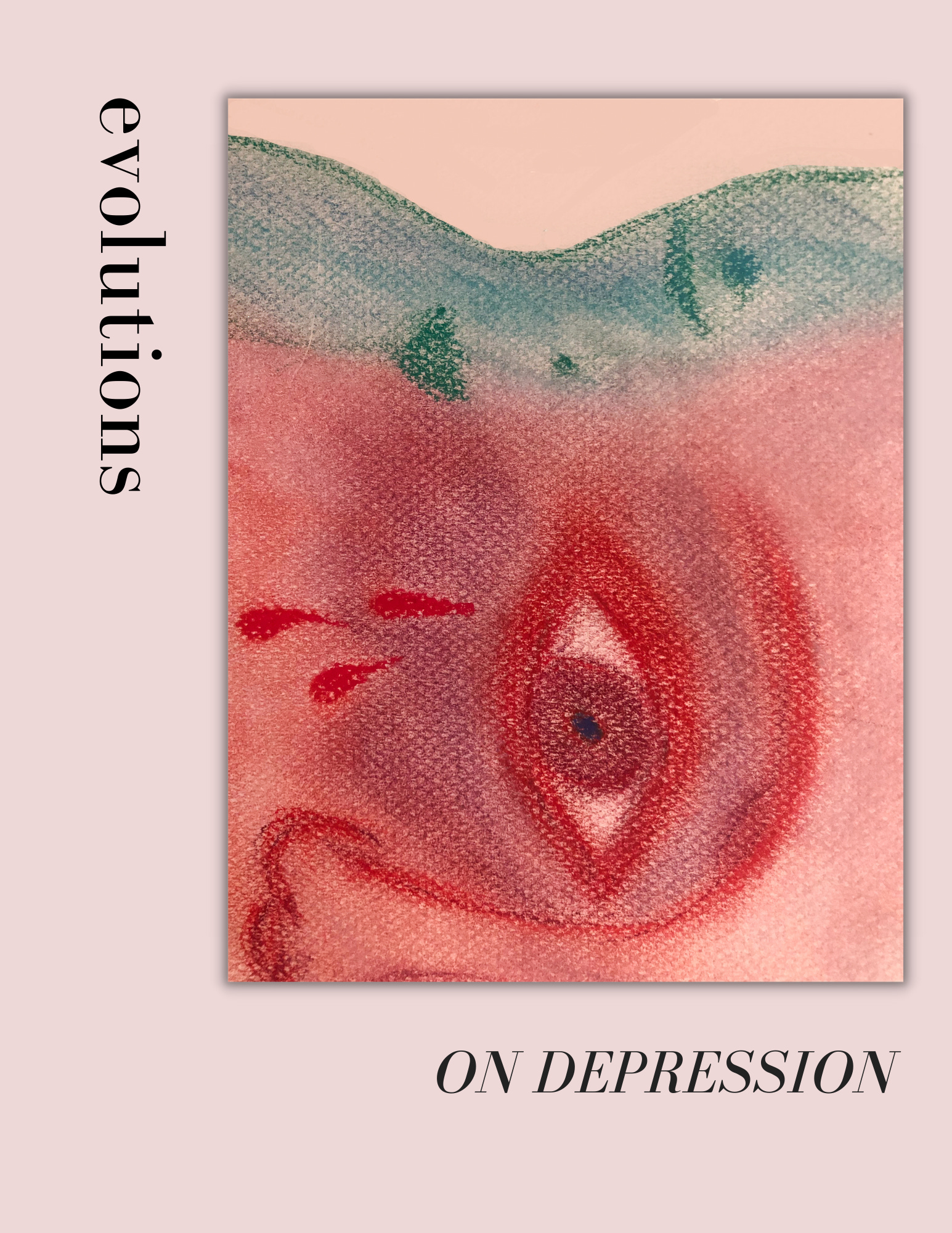
When I was around eight or nine, my father and I used to visit my paternal grandmother, Bonne Maman, as we called her, in her Peter Cooper apartment in downtown Manhattan. We always brought with us: cigarettes, Breyer’s neapolitan ice cream, Pepperidge farm cookies, cans of Progresso minestrone soup, and little orange bottles of lorazepam, aka Ativan. With long, trembling fingers, she would light a cigarette and pour out her dose of lorazepam.
“Bonne Maman has a lot of Anxiety,” my father explained, “The lorazepam helps her feel better.” When my father, a psychologist, talked about mental health, particularly with regards to his mother, his voice seemed to take on a certain gravitas, indicating we were discussing a Serious Thing. It was Anxiety with a capital A. Depression, same deal.
Later, I learned that my grandmother wasn’t just Anxious, she was Agoraphobic (hence why she rarely left the house), and also, Clinically Depressed, as my dad put it. Suddenly, I understood why, when we visited her when I was little, she would sleep during the day, blinds drawn, and my brother and I had to be as silent as little kids can be to avoid waking her.
And so as a child I came to think about anxiety and depression as Serious Illnesses, that only touched the truly sick, and not the millions of ordinary people diagnosed with these afflictions all over the world.
Then, as I got older, more and more people in my orbit seemed to be Anxious and Depressed—my friends at school, my brother—but they had panic attacks, battled eating disorders, struggled to socialize sometimes….surely they were also Seriously Ill?
The next time I encountered lorazepam after my Peter Cooper visits was when I picked up my very own prescription of it from CVS last summer, along with duloxetine (aka Cymbalta), an anti-depressant that works on serotonin receptors. I had decided, during the depths of a particularly difficult depressive episode, that I needed to go back to therapy and that I probably should be medicated. I had been repatriated from Peru at the start of the pandemic and found myself home, my dreams of backpacking South America dashed, with no sense of purpose and no one to see other than my family, in the middle of a very scary and uncertain global pandemic. I viewed everything through the blackest lens—nothing had a point, I had no good options for my future, and, basically, I was the worst and totally incapable and out of control. As the days went on, those feelings only continued to spiral.
Yet, apart from a few days spent in bed, I was functional, relatively. Sure, I cried in the shower sometimes and had unpredictable mood swings, but I taught myself to make sourdough bread from my own starter. Then again, I also slammed the dough across the table when my first try at shaping it went awry. I went biking and did yoga, but then spent hours scrolling through “yogis’” insta profiles, berating myself that I couldn’t do crow pose, let alone a handstand. I seemed relatively calm most of the time, if a little deflated and not quite myself, until a few whiteheads would pop up on my cheeks and I attacked them till I was bleeding. I didn’t really consider that I had any “suicidal ideation,” a common symptom of depression, until it dawned on me that I had thought more than once, not seriously, about what would happen if I fell (jumped?) out of my 2nd story bedroom window. Or the logistics of tying a noose—again, just curious, not serious. Wasn’t it normal to think about death?
Functional.
Not Seriously Ill.
And then I realized that I knew that my brain was fucking with me, because I knew I was worth more than I was telling myself, that I didn’t really believe all the negativity. I just I couldn’t break the thought patterns or regulate my moods on my own anymore. It didn’t help that I was constantly anxious: anxious about the future, anxious about the pandemic, anxious about my lack of direction, all manifested by a lovely perpetually tight feeling in my chest. When it became clear none of the extensive self-care I was doing was working, I knew I needed help.
I believe a lot of people think about anxiety and depression, but especially depression, like I did—as words requiring capitalization. But, in my non-professional and limited experience, a lot of us are suffering from one or both, whether we realize it or not. Before the pandemic, I can think of at least two other depressive episodes in my life: the first in college, where I didn’t realize I was depressed, and the second when I was living in Chile. That time, I knew exactly what was going on, but couldn’t find a way out, and figured I was “functional enough.” Anxiety, on the other hand, has been a near constant presence in my life for years, oscillating between a slow burn and a raging fire.
In my case, my anxiety triggers my depressive episodes. To give you an idea of my personal experience, since everyone’s is different, my anxiety is like a terrible roommate living rent-free who is almost ALWAYS there, putting their shit all over your tiny apartment. Sometimes Anxiety leaves for a bit, but never fails to remind you it will be back—probably at bedtime. Depression is Anxiety’s even more terrible friend that squats in your house uninvited from time to time, takes over your space, complains incessantly that all efforts are useless in this crappy world, and, along with its buddy, Anxiety, criticizes you on all your perceived failures and flaws.
More concretely, earlier this year, when the deep uncertainty regarding my future was heavily weighing on me, the combination of anxiety and depression manifested in me as follows: I’m standing in a room with a million keys swirling around my head at a dizzying pace (like in the first Harry Potter), each with a tag stating a possible future path or next step. My arms are flailing about wildly, trying and failing to catch the keys which are just out of reach, and I can’t jump, or move in any direction, really, because my feet are stuck to the floor. Total restlessness, and yet, simultaneously, total paralysis. Frenzied inertia.
The reason I’m sharing this all with you is because I think narratives on mental illness tend to skew towards the Seriously Ill, the not functional, or to generalizations and statistics describing a mental health epidemic. All of which are critical. But I think, given the sheer number of people who are “functional” but barely, we need to give more credence to these less click-bait worthy stories. And, of course, as a society, consider why so many people live with depression and especially anxiety, which seems to be even more common, as a fact of life.
So, yes, I’m medicated now, and I did notice just how ill my brain was before I was taking these little pills in orange bottles. It’s been trial and error, episodes of restlessness, headaches, nightsweats, intense dreams, but I’m finally happy with my regimen. And of course, therapy is critical to my recovery, which I think I might be finally be experiencing. Hopefully, I’ll be off meds in the not too distant future. But in the meantime, I’m deeply grateful to them, and to therapy, for helping pull me out of a downward spiral.
If any of what I’ve described here seems familiar to you and you’ve never sought professional help, then I urge you to seek whatever type of therapy you think might work for you, and consider the possibility of medication if it feels appropriate. Because being “functional” isn’t really living, and we all deserve better than that.
Love always,
Chloé
P.S. I don’t know about y’all but I miss going out and dancing. I’ve made you guys a playlist to get groovy to here.
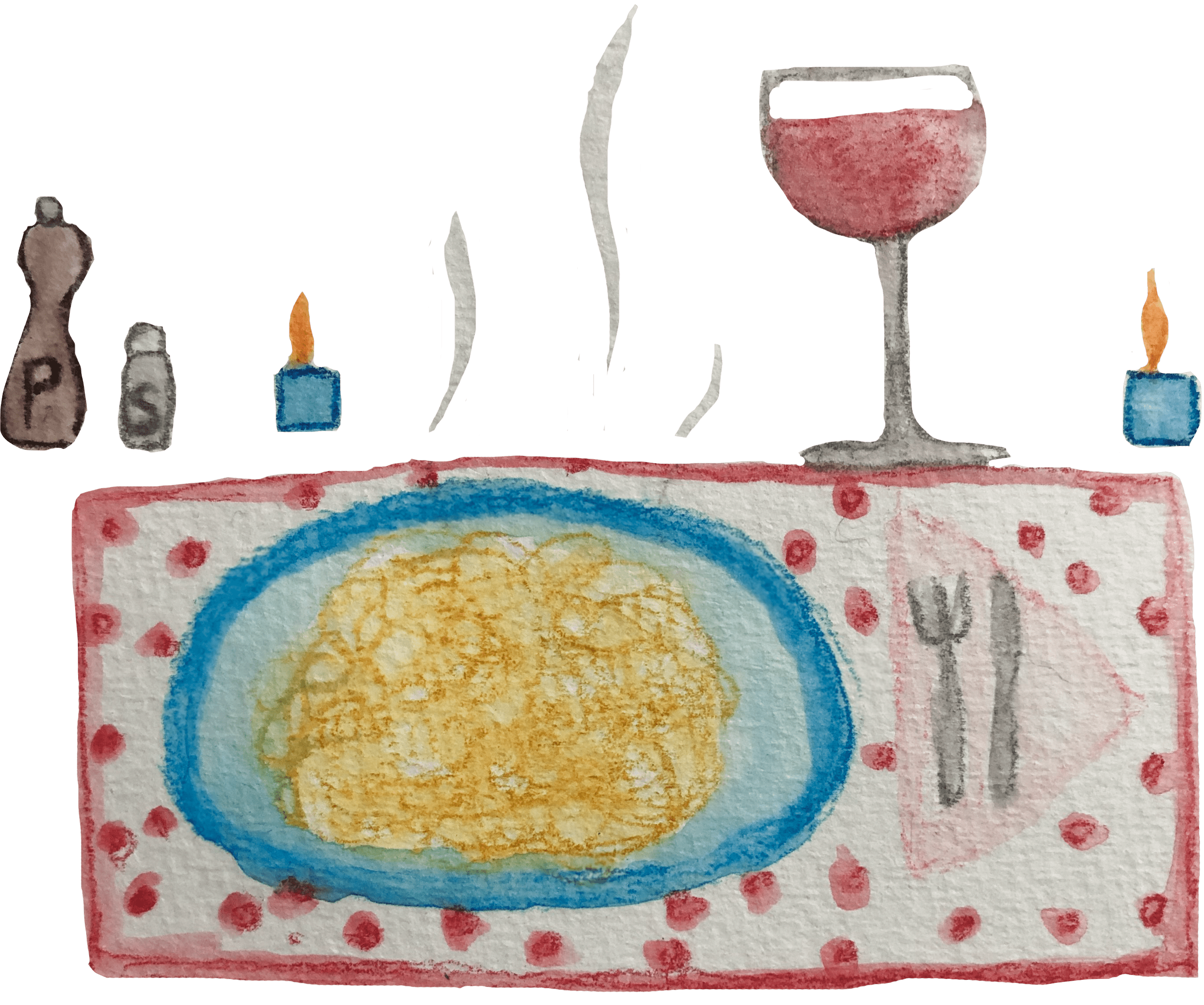
How to make pasta. Properly.
This may seem pretty basic, but honestly most people don’t understand how to make pasta and pasta is the best and should never be fucked up. So I am here to make sure you don’t eat bland, watery noodles with thin sauce ever again.
You do not need to wait for the water to boil before adding your pasta. You can put it directly in the pot with water and bring it to a boil—just adjust the cooking time upwards a bit to compensate. You still save time overall. Don’t believe me? Read more from the Food Lab master, J. Kenji López-Alt.
Put enough water in the pot to cover your pasta, but not by much (a centimeter or so will do). This will a) speed up the time it takes to boil and b) render starchier pasta water which will help thicken your sauce.
Add salt to your pasta water! Not so salty that it tastes like the sea, like some people recommend, but pretty salty. You want your pasta to absorb that salty water so it’s seasoned from the inside. You’ll use less salt overall and the pasta will taste better. This goes for most things you boil / blanch — potatoes, rice, etc. (But not lentils! They’ll be crunchy if you salt the water.)
Stir your pasta occasionally so it doesn’t stick.
While your pasta is cooking, reserve some of the pasta water—reserve more than you think you’ll need just to be safe. This is essential, even if you’re just eating your pasta with olive oil and salt. Most of us eat our pasta with some type of fat (oil, butter, cheese—even tomato sauce has fat in it), and the water on your pasta will repel the fat you add on it and the sauce will slide off the noodles. For a creamy sauce that sticks to your pasta, you need an emulsifier, and the starch in the pasta water does just that. So here is what you do: a little bit before your pasta is perfectly al-dente, drain it, put it back in the pot / pan you cooked it in, add some of your sauce / cheese / whatever you’re using, and some of your pasta water (this will depend on how much pasta you’re making, obviously). Toss this all together with tongs on high heat, adding ladle-fulls of pasta water / additional cheese as needed, until the sauce has reduced and is creamy and adhering to your pasta. This may take some practice to perfect, but it’s worth it. Questions? Hit me up.
NEVER RINSE YOUR PASTA AFTER COOKING WHAT EVEN IS THAT.
Eat your pasta immediately. Eat it hot. Add additional fresh pepper and parm to the pasta on your plate if that’s your thing, and if it isn’t, idk what to tell you.
Things I liked
Last year I discovered the Mexican folk singer Ed Maverick, a 20-year-old who has the voice of a golden angel and inexplicably sounds like an experienced mature man and not a baby-faced Gen-Zer. He’s come out with a new album, eduardo, and I highly recommend you check him out.
For anyone trying to figure out a professional direction, or how to land a part-time gig, or how to clean up a resume, my dear friend Hannah Greene is a career coach! Show her some love: the initial consultation is free, she’s got some dope templates to help you pitch and negotiate, and she’s just all around a go-getter who will help you on your professional journey :) Find out more about her here.
Therapy <3
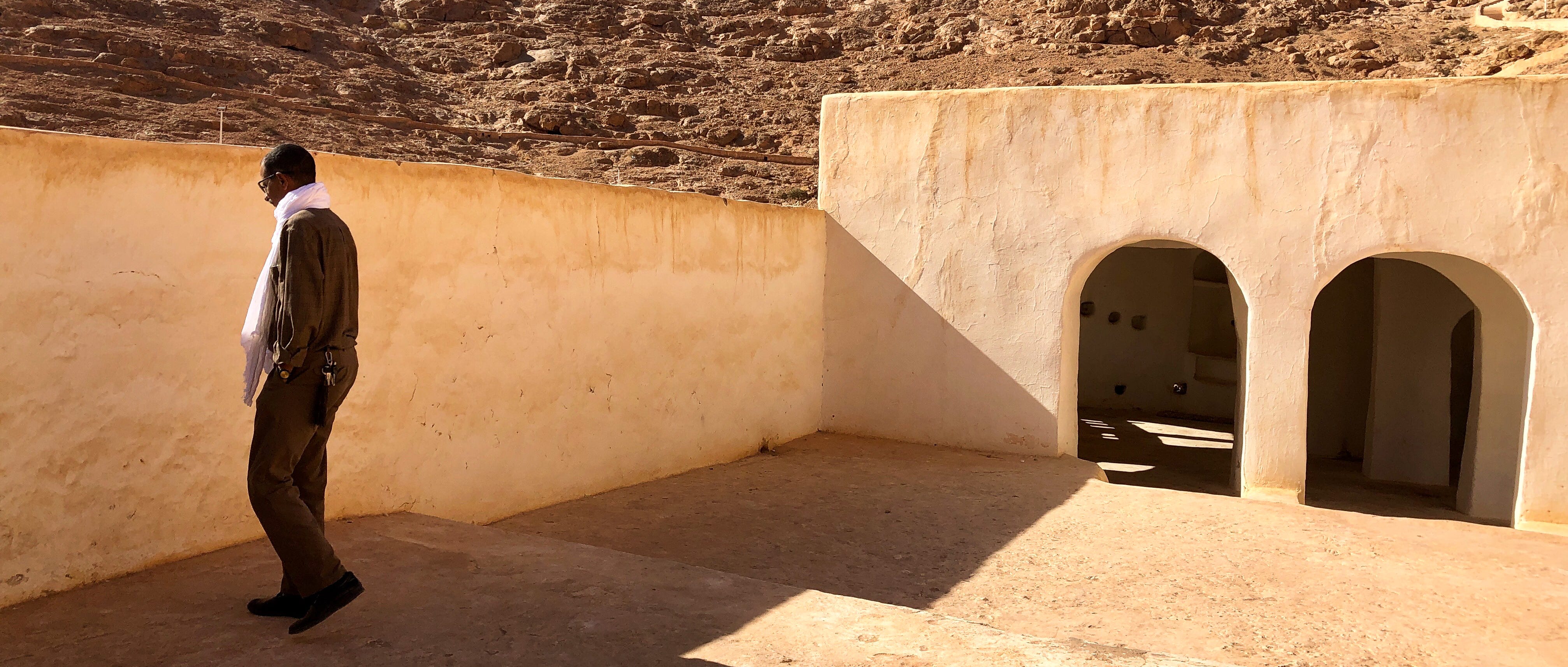
Ghardaïa, Algeria, 2018. Photo by Chloé Porter
Some optional to-dos
The Supreme Court has agreed to hear a case from Mississippi challenging Roe v. Wade, the landmark case granting abortion rights to women federally. The danger that abortion rights will be rolled back is real: this is the first major abortion case to be heard on a court containing all three of Trump’s highly conservative appointees, and it’s unlikely the conservative majority vote to uphold the Roe precedent. Read more here, and add your name to Planned Parenthood’s petition supporting abortion rights here.
If the past year has taught us anything, it’s that policing in the United States is a fundamentally racist institution that receives a lot of funding. Color of Change, a nonprofit civil rights advocacy organization, is leading an effort to pressure the NYC Council to divest from the NYPD, which with its $10 billion budget, receives more funding than any other police force in the country. You can check out their campaigns and see how you can act / contribute here, and more specifically, you can pressure the NYC Council to divest here.
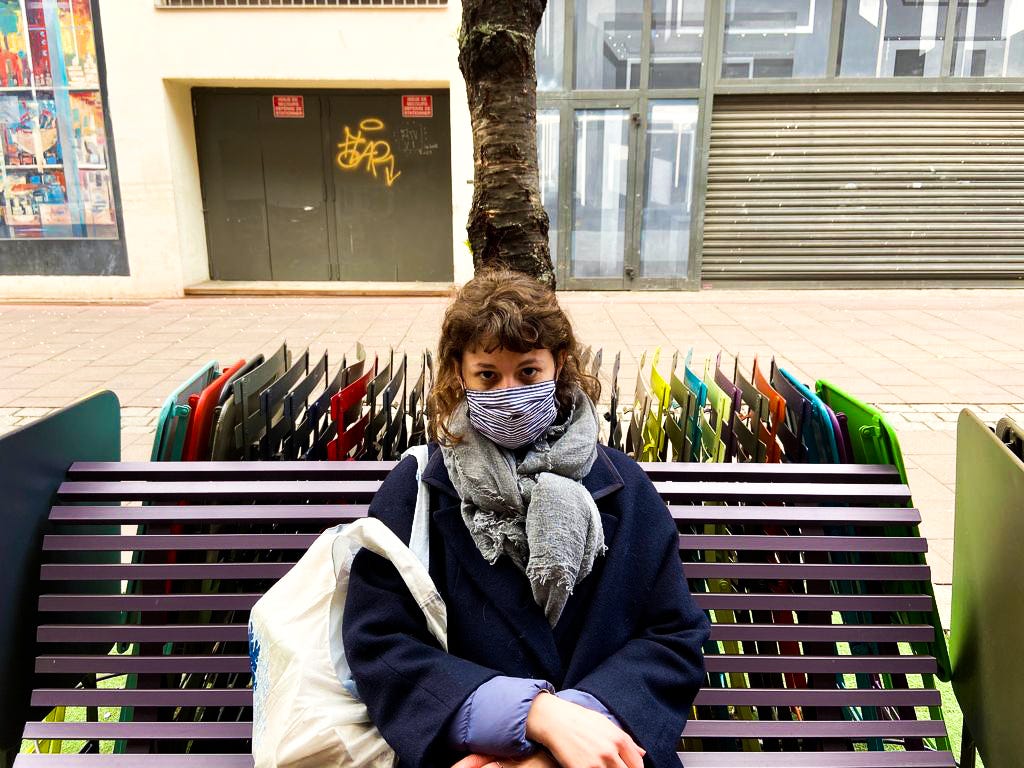
Strasbourg, France, 2021. Photo by Laurence Porter

Chiloé, Chile, 2020. Photo by Chloé Porter
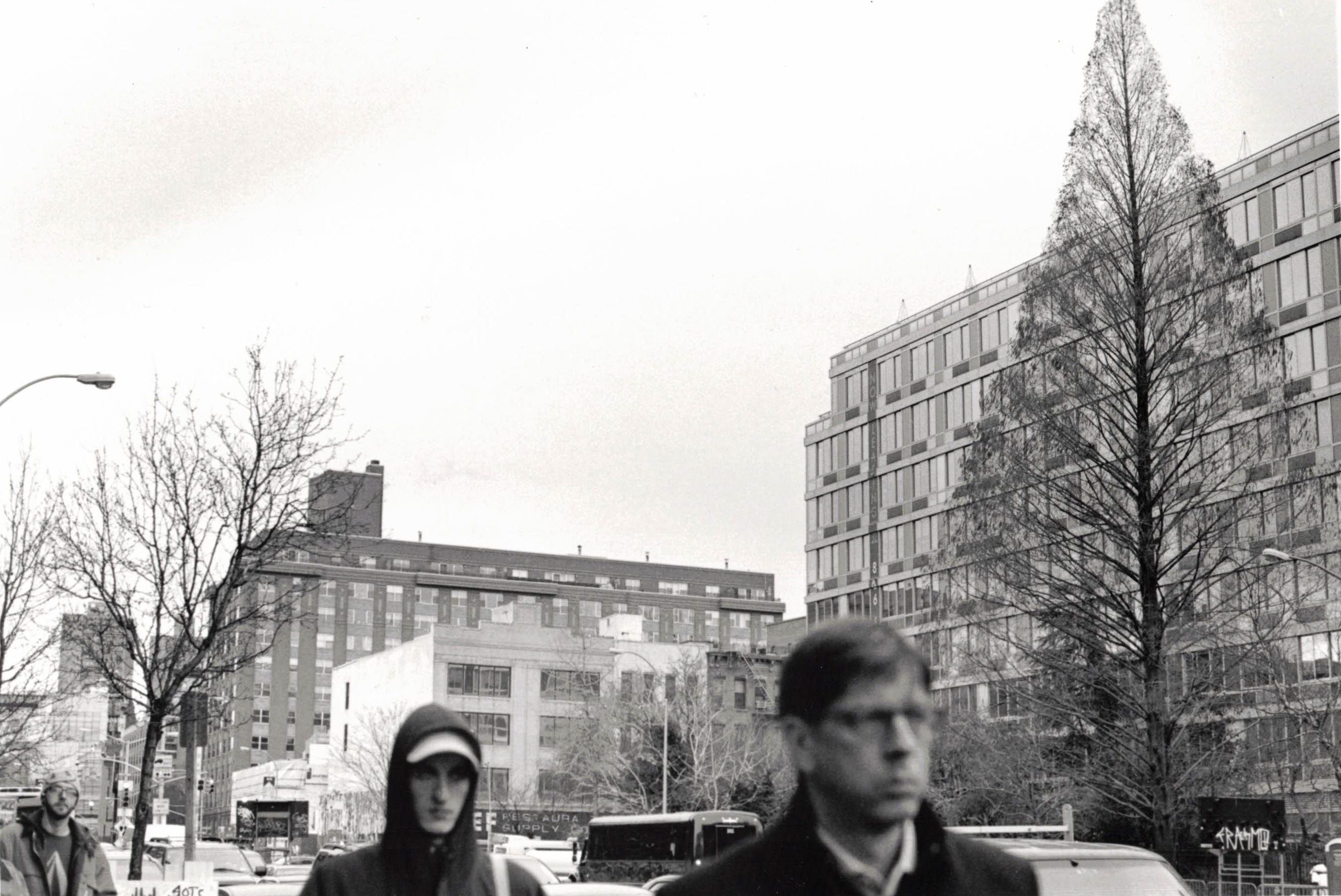
New York, New York, 2016. Photo by Chloé Porter
“The opposite of depression is not happiness, but vitality and my life, as I write this, is vital even when sad.”
-Andrew Solomon, The Noonday Demon: An Atlas of Depression
“The opposite of depression is not happiness, but vitality and my life, as I write this, is vital even when sad.”
Words can sometime express something so rightly. Having experienced severe anxiety at some point in my life, I know how important it is to know that states of being can be felt very deeply but that when we engage with them in a meaningful way , whatever that might mean to each of us, we create a space in which there is a dialogue and therefore tone and vitality. No matter what the emotion is.
I am really touched by how you approach and talk about anxiety and depression.There can be so much shame around them. Mental affliction is still seen as embarrassing compared to most physical ailments. We are still far from really treating body and mind as one. Thank you for reminding us that so many people experience anxiety and depression. As a society, we have many questions to ask ourselves. It’s hard work . We have to do it because when we do as individuals, we see that we can feel whole. So I dare to imagine what it would be like if we did it collectively.
Your how to make pasta surely defies everything we have all read on how to make pasta. But what can I say , I have apply them and the proof is in the pudding. It is to be trusted and does make rich, delicious pasta.
As always , I love the photos and illustrations, always complementing and enhancing the written word.
And oh yes, a dance play list!
Let’s Dance!
Wow I am so impressed by your courage and your willingness to go through this very difficult process but with so much creativity. Thank you for sharing