
An open letter to men
Part 1

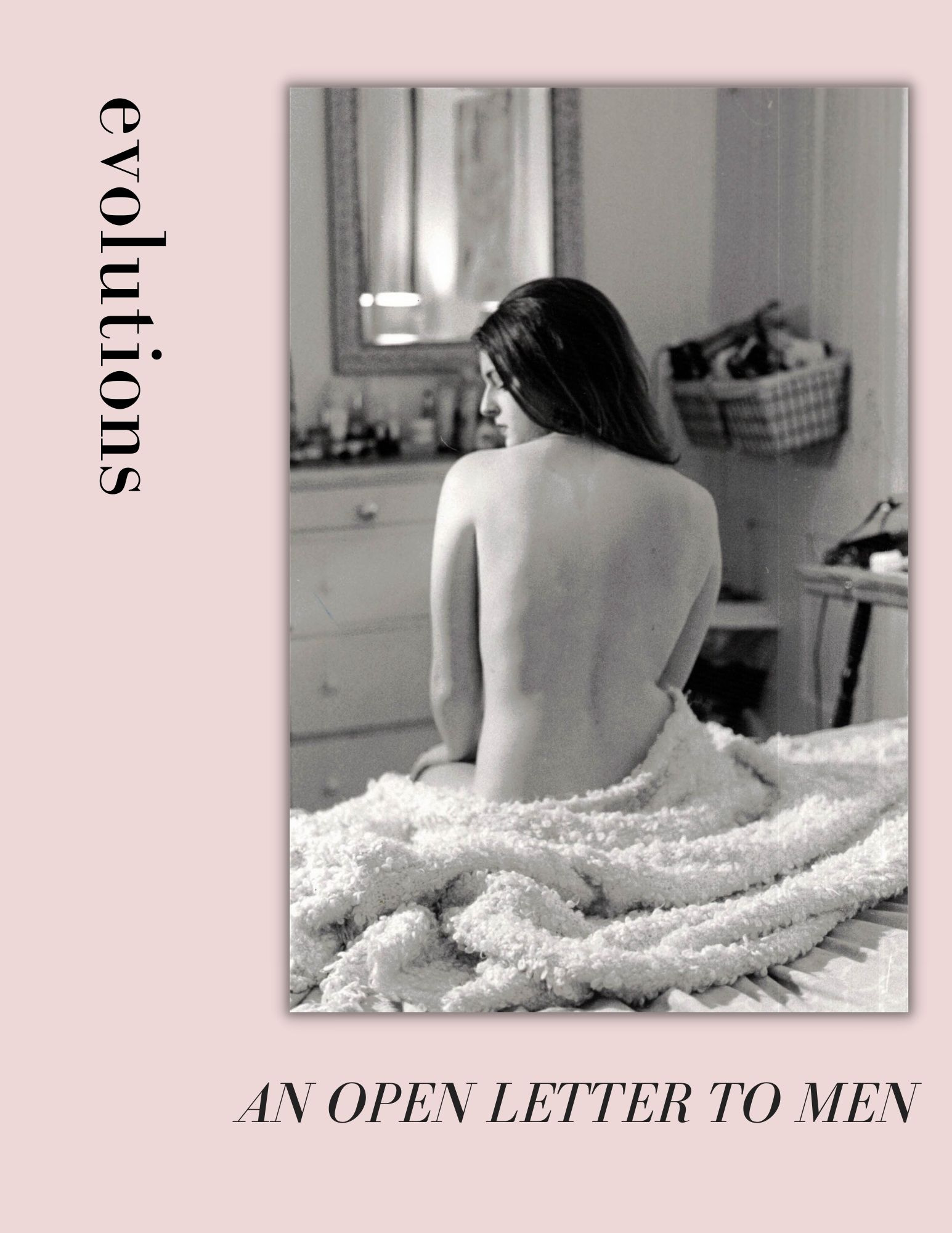
Dear men,
I have rage. It took me a long time to realize it, to really understand it, but coming to terms with it is liberating. And so I write to you not from a place from rage, but rather from a desire to help you understand my experience on this planet as a woman: what I live, what I see, what I hear from others. I can’t speak for all women, nor am I attempting to, but it doesn’t seem coincidental that nearly every woman I speak to shares my outlook and many of my experiences. I should note, of course, that as a cisgender white woman from favorable economic means, I am much more fortunate than the vast majority of women on this planet, and that my experiences represent only a tiny fraction of the trauma a great many women all over the world live daily. Moreover, I’m lucky to have open, loving parents who bear no responsibility in my internalization of societal norms, nor in any trauma I’ve experienced — not all women are so fortunate.
I should also mention that this is only Part 1 of this open letter, and I focus particularly on my experiences with sex, sexualization, and the under-the-radar, sometimes hard to define abuse that I’ve undergone at the hands of many boys and men, particularly in my most formative and vulnerable years. These are experiences that have had a profound impact on who I am and how I’ve evolved in ways I’m still trying to comprehend.
***
Like most women, before I even understand what it means on this earth to be a woman, I have deep within me the generational trauma of my mother, my grandmother, and all the women who came before me. Ghosts of incest, rape, emotional abuse, societal inferiority, and neglect burrow in my subconscious, shaping who I am before I know how to say my name.
And then I grow into a little girl and my body, of which I’m only starting to gain awareness, is evaluated and picked apart by my peers, and I don’t feel I’m enough, despite my pristine academic record and artistic abilities.
“You weigh 80 pounds? Wow, that’s a lot. I only weigh 60.”
“Why is your hair so frizzy?”
“Look at my tan lines! Why don’t you have any?”
Early on, I sense that the outside world is threatening in some way, but I don’t quite understand how.
My family and I leave a restaurant once when I’m 10 or 11 because some man is ogling me so disgustingly that my mother insist that we leave, but I don’t notice anything. I’m not menstruating yet, but I have already developed invisible blinders that serve as a kind of (ineffective) armor against the threat of strange men. My father doesn’t remember this incident at the restaurant. My mother does. My mother does because she knows, and I remember through her, and also, through the hundreds, maybe thousands, of other pairs of eyes that have lingered and leered and that I pretended not to notice. Sometimes I think I’m lucky when I really don’t notice, that simply existing in public would be too burdensome if I could always see the eyes, and then I remember that it’s probably dangerous not to notice, it’s how you get catcalled, it’s how you get followed, it’s how you get a hand dragging its way up your knee to your crotch in your Uber.
By the time I reach middle school, I’ve been sexualized since before I can remember. On the other hand, I absorb the message that my maturing body is something of which to be ashamed. The body hair sprouting up under my arms and on my pubis is to be eliminated immediately. I get my period at 11, the first among my friends, and I am deeply embarrassed. I hide tampons up my sleeve on the way to the bathroom, God forbid anyone see. The tiniest spot of blood on my pants provokes extreme anxiety lest someone, a boy, notice and point it out.
While undergoing these intense physical and hormonal changes, I’m fed countless strategies to lose weight (“eat this, not that”) from women’s magazines, cementing the fraught relationship I have with my body and the amount of space it occupies.
My relationship to my budding sexuality is also profoundly shaped by a mostly male-dominated media and the sexist whispers of my peers. I’m led to believe that women orgasm from 10 seconds of penetration, as all of the male-written-and-directed movies and TV that I watch advertise. I’m taught that (female) nipples are to be covered, but see plenty of blowjobs depicted. Because the depiction of cunnilingus automatically grants movies an R-rating, and I don’t watch many R-rated movies, I’m not really aware there’s a female version of oral sex, or that such a thing as the “clitoris” exists. Penetration is presented as “sex,” anything else is “foreplay,” downgrading female-centric sexual acts as lesser-than—an unsurprising and damaging hetero- and phallo-centric narrative that plagues me for years to come.
I hear about my female peers giving out handjobs and blowjobs in the stairwells at schools and parties, but never hear about them receiving anything in return. My male classmates casually joke about jerking off but the subject of female masturbation remains taboo. Period. I don’t really question this; why would I? I don’t realize it at the time, but my perception of my body and female sexual pleasure is badly warped and steeped in shame.
High school rolls around and suddenly I’m “pretty,” and boys rank my breasts and talk about how they want to fuck me and therefore I instantly have social status but unfortunately, I’m seen as a prude (the Madonna-whore dichotomy is old hat to me at this point). To buck this reputation, I get on my knees in stairwells at parties, Bacardi providing necessary liquid courage, and pretend that I’m fine when the boys who had their hands up my shirt over the weekend practically ignore me at school. When I hear these boys brag about their conquests with me in the hallway, I feel a sense of belonging and validation, despite knowing that the boys hold most of the power in the sexual dynamics at school. Neither me nor most of my girlfriends know what to do to rebalance the scales. It’s nearly impossible to form a sexual identity of my own, one that isn’t reactionary to all of the contradictory messaging I’ve absorbed since childhood.
In health class, we are lucky enough to learn about the clitoris and the female orgasm; later I’ll learn that this is rare and that in some textbooks, the clitoris is erased from diagrams entirely. But we also aren’t taught how to communicate with sexual partners, how to ask for (and understand) consent. We aren’t taught to spot the red flags of abuse in relationships. We are, however, shown genitalia riddled with sexually transmitted diseases, partly to discourage us from having sex, partly to assure us that avoiding contracting such “horrific” diseases is the key to a healthy sex life once we do decide to “become sexually active.”
I start college and almost immediately find myself in my first relationship. Everything seems wonderful and romantic, and much of the time it is—except for the constant pressure to have sex, the frequent uninvited touch, the feeling that my boyfriend believes my body belongs to him in some way. I have no conception of my own sexual desire because I’m trying to accommodate his. Unsurprisingly, this dynamic doesn’t exactly boost my libido and I rarely feel like having sex. I think there’s something wrong with me, that I’m the problem. He uses his dissatisfaction with our sex life as a weapon of manipulation which he brandishes anytime I am angry with him for an unrelated, legitimate reason. I end up apologizing, making it better. I don’t spot the signs of toxicity and abuse for a long time, because we’ve both been conditioned to believe this is normal, and my frame of reference is the blatantly abusive relationships my girlfriends had in high school: sinks pulled out of walls in fits of rage, body shaming, rape.
Years after we break up, we’ll discuss our relationship. Thanks to significant introspection, he recognizes (and apologizes for) the emotional abuse he put me through. The sexual abuse, however, is news to him. I, on the other hand, have spent years trying to understand what happened to me, whether I’m a “survivor,” whether my experiences are “bad” enough to count as abuse. I talk to other women and too many of them have also experienced a subtler brand of abuse than outright sexual assault, particularly in formative relationships. I wonder how many emotionally repressed men use their first girlfriends, even their first hookups, as scratchpads on their way to becoming better, more emotionally connected people. How many of them unload on the women in their lives the emotional baggage they were never taught to deal with. How many of them are able to erase the unsavory behaviors of their past from their consciousness, while the women they hurt are condemned to sort out their trauma for months, years, decades.
Dating as an adult has been a mixed bag. I’ve met deeply sensitive men and pure narcissists, men who value consent and put my pleasure first and men who treat me as a receptacle for their sperm. Men who seem like “nice” guys but usher me out of their house after sex without even offering to pay my ride home. Men who try to understand how my past has shaped me, and men who argue with me, telling me they’re sorry I experienced what I did, but that I must be in the minority. With time, my red flag radar has become increasingly finely tuned and I meet more and more of the respectful, understanding men. It’s just deeply unfortunate I had to learn from such damaging trial-and-error.
***
To “nice guys,” to men who say “not all men,” to men who argue with women about their own lived experiences, to men who debate feminism without first listening to women, to men who struggle to apologize or accept responsibility for the harm they cause women, to men who could never believe their friend would abuse a woman, to men who have never honestly examined their sexual or romantic past to see if they themselves could have hurt a woman, to men who never try to see the world through a lens other than their own, this letter is for you. Because most women I’ve spoken to have had at least one downright negative sexual experience, yet most men I tell this to swear they / their friends bear no responsibility in this. The math doesn’t add up.
I invite you to do the uncomfortable work of deeply reflecting on your own past with women, on times you may have pressured them, objectified them, talked over them, disregarded them, abused them. I invite you to talk candidly with your male friends about all of this. I invite you to listen to women when they talk to you about their experiences and their outlook on the world; I encourage you to ask them questions instead of immediately opining. I invite you to stand up for and support your female friends, family, colleagues, etc. when they’re being dismissed or put down. I invite you to reflect on how living in a patriarchal society has both served and disserved you, because of course, you are as much a product of this society as I am. And you’ve likely suffered, perhaps without realizing, from deeply flawed social conditioning.
I sincerely thank you for making it to the end of this letter.
I’m happy to further discuss this with anyone—as long as that conversation is respectful and productive.
Love always,
Chloé
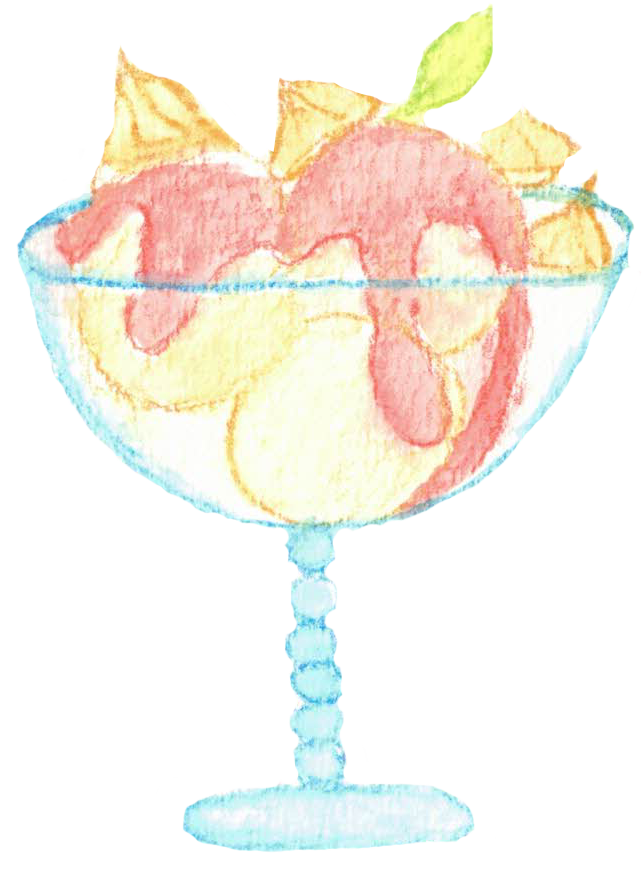
Easy Summer Raspberry Vacherin
My letter was particularly long this week, so here’s a short and sweet recipe for a very easy summer dessert :) A vacherin is basically a frozen dessert with ice cream, whipped cream, meringue, and fruit. This is a deconstructed adaptation that takes 20 minutes to throw together.
You will need:
Vanilla ice cream
Store-bought meringues
1 cup (230g) heavy whipping cream
2 cups (200g) rasperries
1 tbsp lemon juice
1 tbsp confectioner’s sugar
2 tbsps granulated sugar
1 tsp vanilla
Instructions:
To make the raspberry compote: Heat the raspberries, lemon juice, granulated sugar, and 2 tbsps of water in a saucepan until boiling. Boil for about 5 minutes, stirring often. Reduce the heat to low and let simmer for 10 minutes. Let cool.
To make the whipped cream: Whip the heavy cream until soft peaks form. Add the confectioner’s sugar and the vanilla and beat until just incorporated.
To assemble: Scoop ice cream into a bowl. Ladle a few spoonfuls of raspberry compote and whipped cream. Top with crushed meringues. Serve with a sprig of mint if you’re feeling fancy :)
Things I liked
Trippy Tuesday is a UK-based company selling really cool body-normative candles and jewelry. Check out their Etsy shop here.
If you’ve never listened to the podcast Ear Hustle, I highly recommend it. It tells the stories of the incarcerated and the formerly incarcerated. I’ve rarely experienced art exuding such humanity. It’s deeply touching, frequently funny, at times upsetting, and always illuminating about not just life in and after prison, but also how our justice system is failing the incarcerated.
Photo by Chloé Porter. New York, New York, 2021.
Some optional to-dos
Trans, intersex, and non-binary people don’t have access to accurate federal IDs, putting them at risk of discrimination. To show your support during Pride month, urge President Biden to sign an executive order allowing people to self-verify their gender and include a gender-neutral option X for all federal IDs and records here.
Consider making a deliberate gesture of kindness this week: buy flowers for your roommate, spare some money for a person in distress on the street, call a friend going through a rough time :)
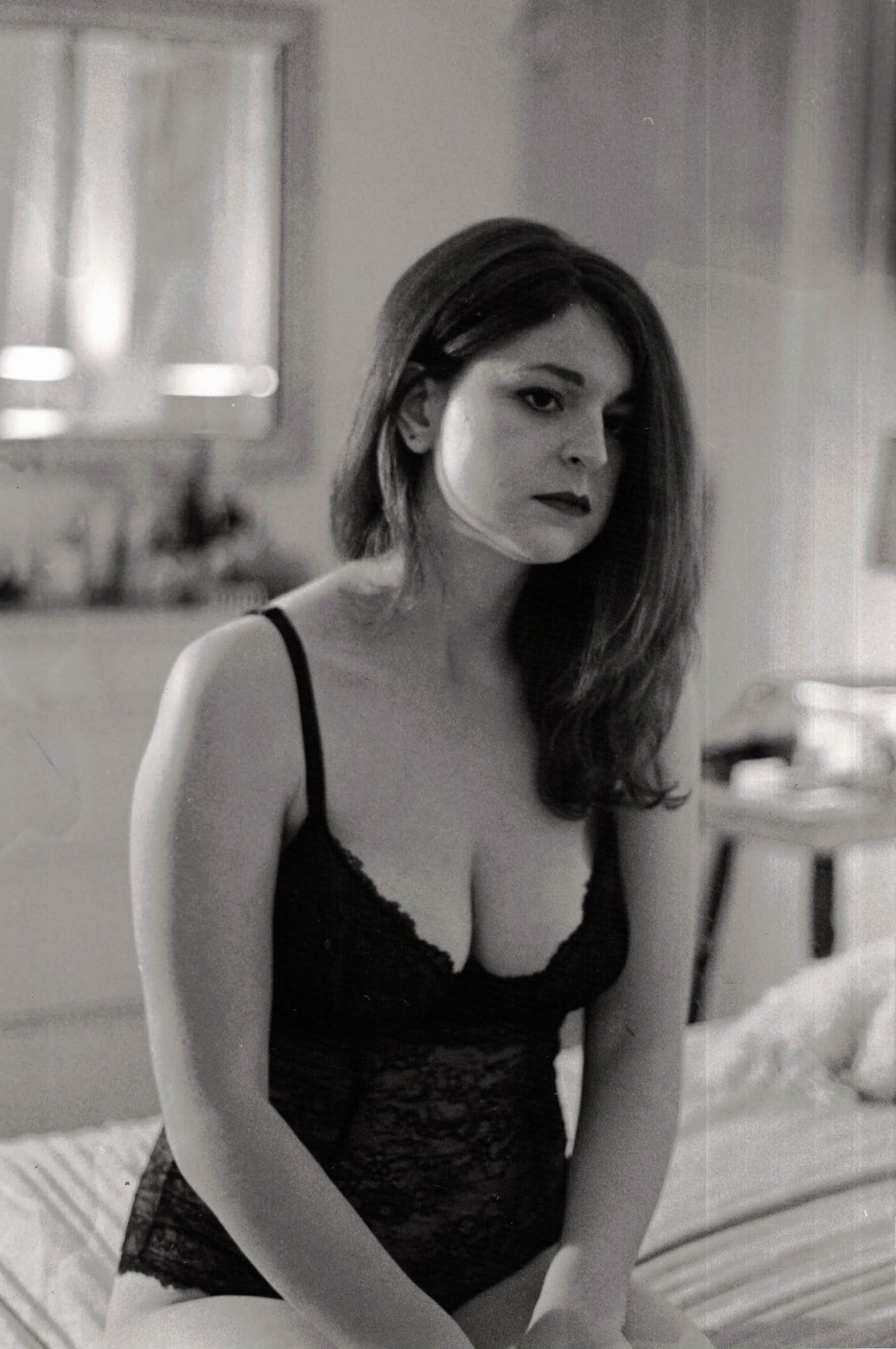
Photo by Chloé Porter. Philadelphia, PA, 2016.
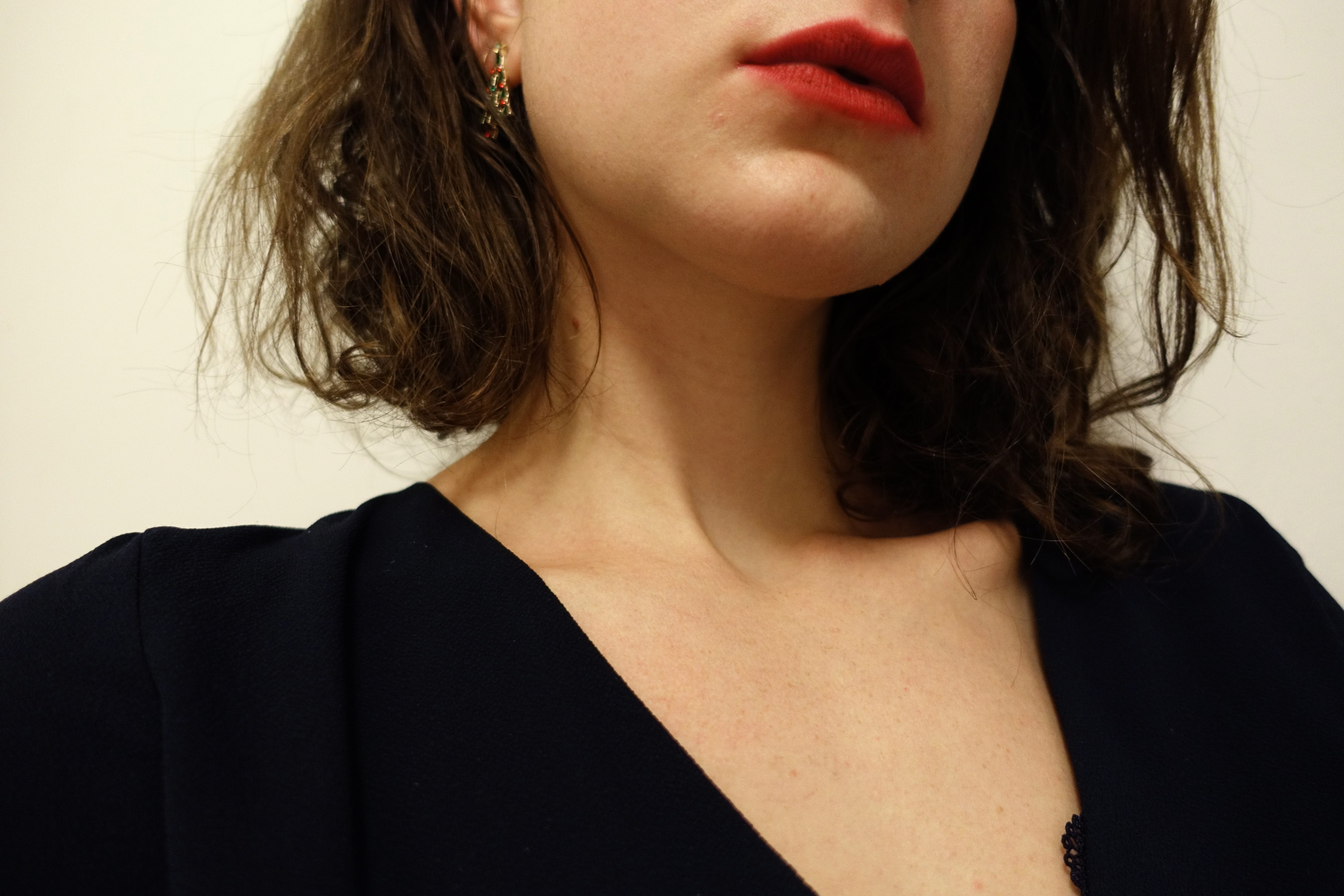
Photo by Chloé Porter. New York, NY, 2019.
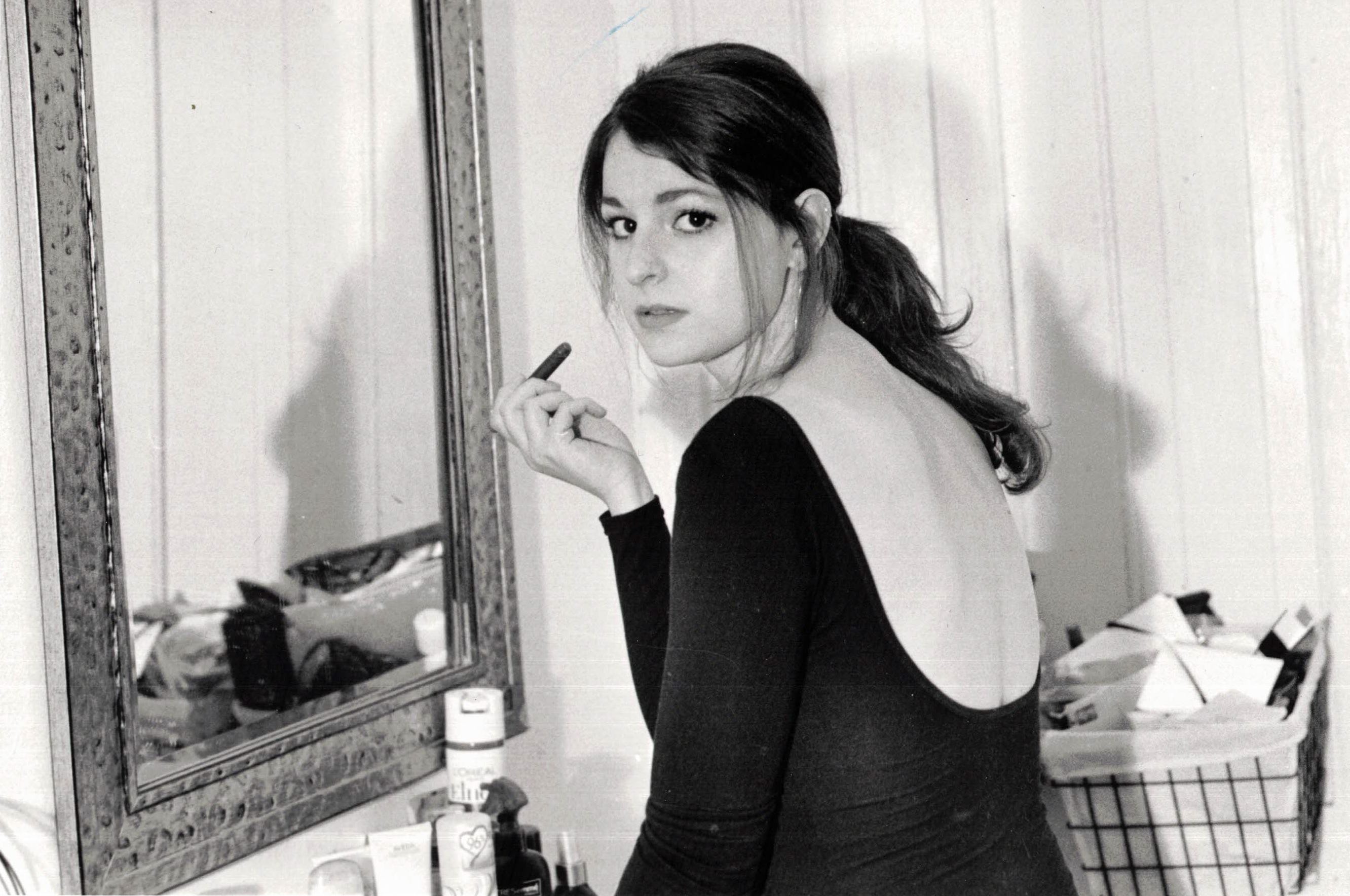
Photo by Chloé Porter. Philadelphia, PA, 2016.
"I’m a woman / Phenomenally / Phenomenal woman / That's me."
- Maya Angelou
As women, I believe that we can all pretty much relate to the experience that you describe with such courage and humanity. Your story certainly resonates with my own at a similar age. At the time, though these behaviors were even more accepted that they are now. Your generation and the social consciousness that has swept the world has changed that. Still, we have a long way to go. I do hope that men will read it and learn from it. I do hope that women will read it and learn from it. I certainly did.
Looking forward to making this deconstructed vacherin!
Loving the pictures.
Beautiful pictures. A courageous storytelling that can certainly help young women and young girls to feel less alone and fine their own way.